
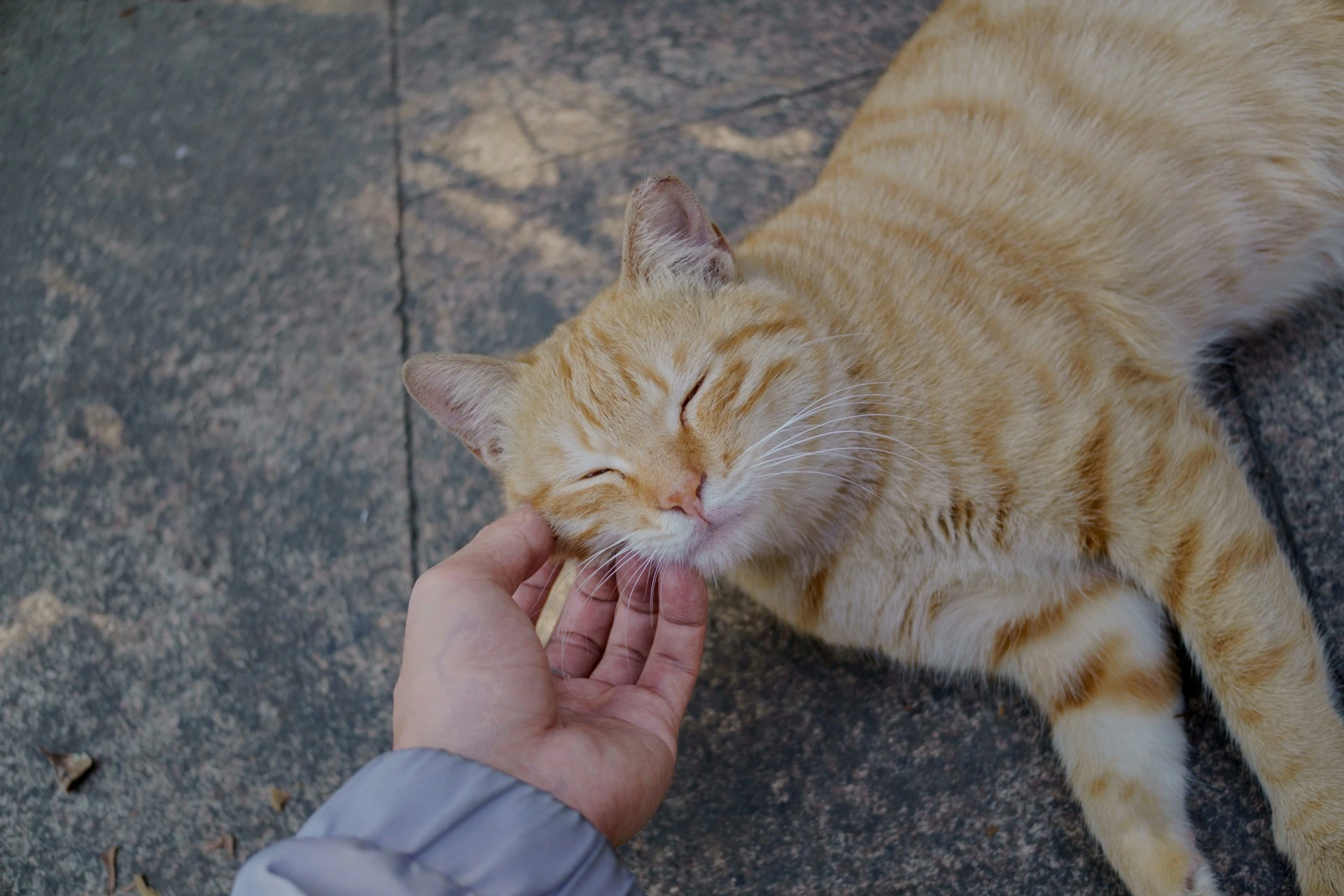
Why cats do this
You know that rhythmic pushing motion cats do with their front paws? Some people call it 'making biscuits' because it looks like they're kneading dough. It's one of the sweetest things cats do — and yes, there's a reason for it.
Kittens knead their mother's belly while nursing. The pushing motion helps stimulate milk flow. It's one of the first things cats learn to do, and it's deeply connected to feelings of comfort, safety, and being cared for.
When your adult cat kneads you, they're tapping into those same feelings. You make them feel as safe and content as they felt with mom. It's basically your cat saying 'I love you and I'm so comfortable right now.' Hard to be annoyed by that, right?
Cats also knead to mark territory. They have scent glands in their paw pads, so when they knead you, they're leaving their smell on you. You've been claimed. Congratulations.
What you can do
Honestly? The best thing to do is appreciate it. But if those claws are making it less enjoyable, here's how to make it work for everyone.
-
1Step 1: Keep a thick blanket or towel on your lap for kneading sessions. Your cat still gets to make biscuits, and your thighs get protected.
-
2Step 2: Trim their nails regularly — every 2-3 weeks. Blunt claws make kneading much more comfortable. If you're not sure how, your vet or groomer can show you.
-
3Step 3: If they're kneading bare skin, gently redirect them to a blanket or pillow next to you. Don't push them away — just give them an alternative.
-
4Step 4: Never punish kneading. If you absolutely need them to stop, gently pick them up and set them beside you. But understand you're interrupting a moment of pure cat happiness.
What NOT to do
Don't push your cat away or yell when they knead. They're showing you love and trust. Rejecting that can genuinely hurt your relationship.
Please don't consider declawing. It's not like removing fingernails — it's amputating the last bone of each toe. It's painful, can cause long-term problems, and is completely unnecessary when regular nail trims work perfectly fine.
Don't worry if your cat doesn't knead. Not all cats do it as adults. It doesn't mean they love you less — they just show it differently.
When to call a vet
Kneading itself is totally normal and healthy. But there are a couple of situations worth mentioning.
- • Your cat kneads and sucks on fabric obsessively — like blankets, your clothes, or their own fur. This can indicate they were weaned too early or have anxiety.
- • The behavior seems compulsive — they do it constantly and can't seem to stop or settle down.
- • They're kneading one specific spot on their body repeatedly, which might mean discomfort in that area.
Kittens, seniors, and anxious cats
Kittens knead a lot — it's hardwired. If you've adopted a young kitten, expect lots of biscuit-making, often with suckling motions too. This is totally normal and most cats grow out of the suckling part.
Senior cats who've always been kneaders usually keep doing it their whole lives. It might slow down a bit with age, but many old cats still make biscuits when they're cozy. It's comforting for them.
Anxious cats sometimes knead more as a self-soothing behavior. If your cat seems to knead frantically or does it paired with hiding or other stress signs, they might need help feeling more secure. More playtime, routine, and safe spaces can help.
FAQ
Frequently Asked Questions
Quick answers to the most common questions about this topic
1
Why does my cat knead me and purr?
You've hit the jackpot of cat affection. Kneading plus purring means your cat is deeply content and feels completely safe with you. This is a very good sign for your bond.
2
Why does my cat knead me and then bite?
Sometimes cats get so happy they don't know what to do with themselves. A little bite during kneading is usually a 'love bite' — overstimulation from all those good feelings. It's not aggression.
3
Why does my cat drool while kneading?
The kneading takes them back to nursing, and some cats drool in anticipation of milk that's obviously not coming. It's a little gross but totally harmless and actually kind of sweet when you think about it.
4
Why does my cat knead blankets but not me?
Some cats prefer soft surfaces over laps. They still associate the soft texture with mom's belly. Don't take it personally — they might also just be respecting your personal space, which is more than most cats do.
5
Why do cats extend their claws when kneading?
It's part of the original motion from nursing — claws helped kittens grip mom while feeding. They're not trying to hurt you. It just comes naturally with the movement.
6
Is kneading a sign my cat loves me?
Pretty much, yes. Cats knead when they feel safe, content, and bonded. If your cat kneads you specifically, they're saying you make them feel as secure as their mother did. That's a big deal in cat terms.
7
Why does my cat only knead at certain times?
Cats usually knead when they're winding down and feeling cozy — before sleep, after a meal, or during quiet bonding time. It's a relaxation behavior, so it makes sense it happens during calm moments.
8
Do all cats knead?
Most do, but not all. Some cats just don't carry the behavior into adulthood. It doesn't mean anything is wrong with them or that they're less affectionate — they just express love differently.
Still have questions? We're here to help!
Sources
Sources & References
(3)
All information on CatsLib is backed by reputable sources. We regularly review and update our content to ensure accuracy.
Our editorial process: Every article is reviewed by veterinarians and feline behavior experts. We cross-reference multiple sources and update content regularly to maintain accuracy.
CatsLib Team
Editorial & Research Team
CatsLib content is written and reviewed by our editorial team. We focus on clear, practical guidance for cat owners and regularly update articles when recommendations change.
About our editorial process