
Why cats do this
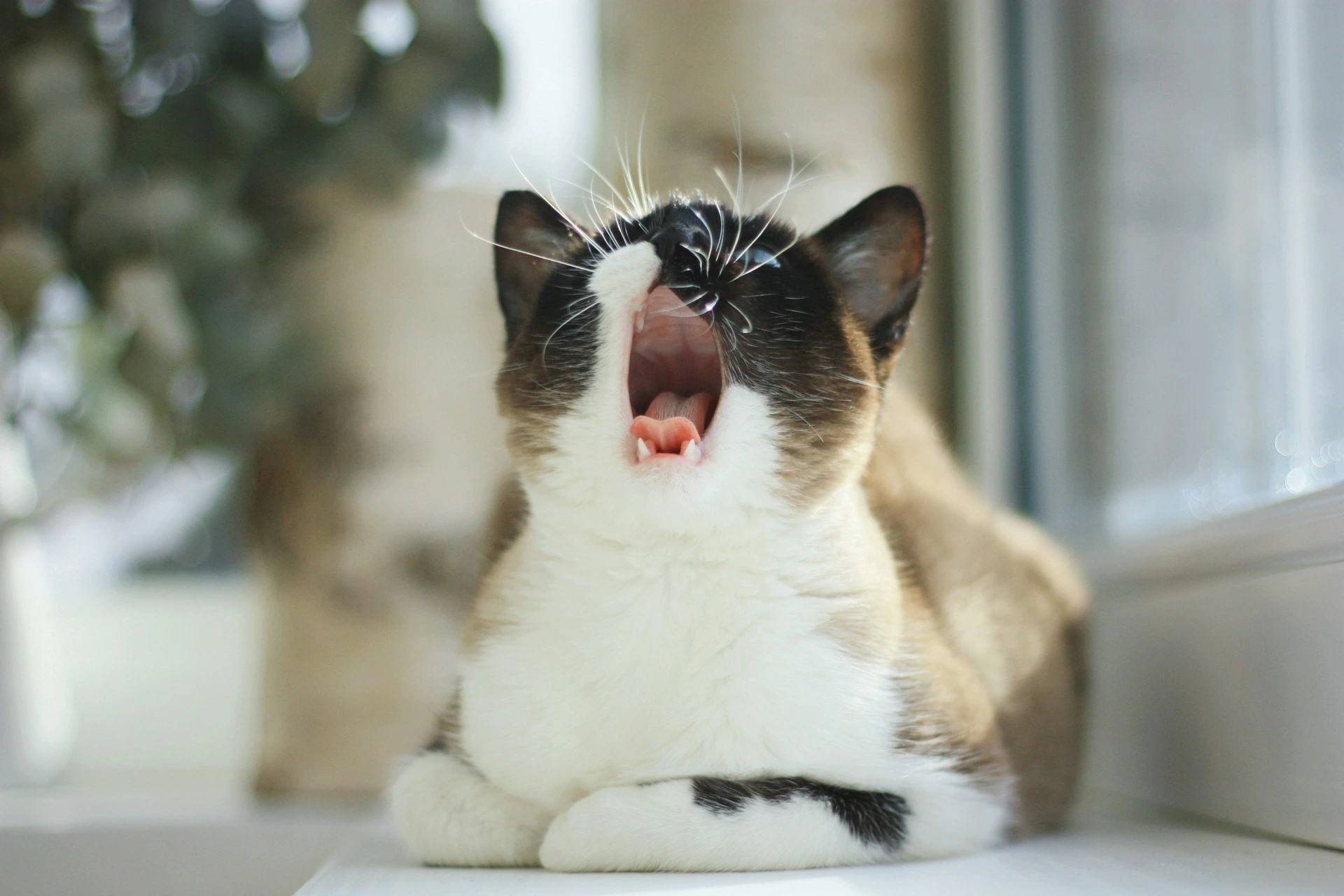
Here's something cool — adult cats don't really meow at each other. They developed meowing specifically to talk to us. So when your cat meows, they're literally trying to communicate with you. The question is just figuring out what they want.
The most common reasons are pretty simple. They're hungry. They want attention. They're bored. The door is closed and they want it open. Their litter box is gross. You're in the bathroom and how dare you close that door.
Some cats are just naturally chatty. Siamese, Oriental Shorthairs, and Bengals are famous for having a lot to say. If your cat has always been vocal, that's probably just their personality.
But if a quiet cat suddenly gets loud, or the meowing sounds different, pay attention. That's your cat's way of telling you something changed — and it might be something that needs fixing.
What you can do
First, play detective. Figure out the pattern and you'll usually find the cause.
-
1Step 1: Check the obvious stuff. Food, water, litter box. Sometimes the answer is embarrassingly simple.
-
2Step 2: Note when the meowing happens. Morning meows usually mean 'feed me.' Evening meows often mean 'play with me.' Middle-of-the-night meows in older cats need a vet check.
-
3Step 3: If they're meowing for attention, don't reward it. Wait for a quiet moment, then give them love. This teaches them that quiet = attention, not loud = attention.
-
4Step 4: Add more play and enrichment. A bored cat is a loud cat. Two 15-minute play sessions a day can make a huge difference.
-
5Step 5: If they meow at doors, try to figure out why. Do they want to see outside? A window perch might help. Want in your bedroom? Maybe let them in.
What NOT to do
Never yell at a meowing cat. They don't understand punishment, and you'll just make them anxious — which often leads to more meowing, not less.
Don't give in to 4 AM breakfast demands. I know it's tempting. But if you feed them when they wake you up, congratulations — you now have a cat who knows exactly how to get breakfast at 4 AM. Every. Single. Day. Try an automatic feeder instead.
Don't ignore a sudden change. If your cat was quiet and is now constantly meowing, or if the meows sound different or painful, that's worth investigating.
When to call a vet
Most meowing is just communication. But sometimes it's a sign something's wrong.
- • Your older cat suddenly meows a lot more, especially at night or while seeming confused
- • The meow sounds hoarse, painful, or just different than normal
- • Meowing while using the litter box or trying to pee
- • Comes with appetite changes, weight loss, or drinking way more water
- • Your cat seems distressed, not just chatty
- • Female cat yowling and rolling around — she might be in heat
Kittens, seniors, and anxious cats
Kittens meow a lot because that's how they talked to mom. They're still learning that you're not actually their mother (debatable, honestly). They usually get a bit quieter as they grow up — or they don't, and you have a chatty cat. Either way, it's normal.
Senior cats sometimes get more vocal as they age. This can be normal, but it can also mean they're confused, can't see or hear well, or are in pain. Nighttime yowling in older cats especially deserves a vet visit.
Anxious cats might meow more when stressed. New home, new pet, new baby, construction noise, furniture rearranged — cats notice everything. If the meowing started after a change, give them time to adjust and offer extra hiding spots.
FAQ
Frequently Asked Questions
Quick answers to the most common questions about this topic
1
Why does my cat meow so much in the morning?
They want breakfast. Cats are creatures of habit, and once they know you're the food source, they'll remind you. An automatic feeder can save your sleep.
2
Why does my cat meow at night?
Could be boredom, hunger, or wanting attention. For older cats, nighttime meowing can mean confusion or discomfort — worth a vet check if it's new.
3
Why does my cat meow at closed doors?
Cats hate closed doors. It's a territory thing — they want access to their whole domain. Plus, you're behind that door, and they have opinions about that.
4
Why does my cat meow when I come home?
They're saying hi! Some cats are greeters. It's sweet, honestly. They noticed you were gone and they're happy you're back.
5
Why does my cat meow while looking at nothing?
They might see or hear something you can't — cats have way better senses than us. Or they're just being weird. Cats do that.
6
Can cats meow too much?
Some cats are just talkers and that's fine. But excessive meowing that's new or sounds distressed is worth looking into. Trust your gut — you know your cat.
7
Why does my cat meow in the litter box?
Occasional meows are normal. But if they meow every time, strain, or go frequently, they might have a urinary issue. This one needs a vet, especially for male cats.
8
Do some cat breeds meow more?
Yes! Siamese are famously loud. So are Oriental Shorthairs, Bengals, and Burmese. If you wanted a quiet cat, these were not the choices. But they're fun.
Still have questions? We're here to help!
Sources
Sources & References
(3)
All information on CatsLib is backed by reputable sources. We regularly review and update our content to ensure accuracy.
Our editorial process: Every article is reviewed by veterinarians and feline behavior experts. We cross-reference multiple sources and update content regularly to maintain accuracy.
CatsLib Team
Editorial & Research Team
CatsLib content is written and reviewed by our editorial team. We focus on clear, practical guidance for cat owners and regularly update articles when recommendations change.
About our editorial process