
Why cats do this (common reasons)
Cats evolved as crepuscular hunters, meaning they're most active at dawn and dusk. This natural rhythm leads them to rest during much of the day and night. A typical healthy adult cat spends 12 to 16 hours sleeping, spread across numerous short naps rather than one long stretch.
Indoor cats without access to hunting opportunities often sleep even more since they expend less energy. Temporary increases in sleep can result from weather shifts, understimulation, mild stress, or simply recovering from an unusually active period. The key concern isn't the total hours—it's whether increased sleep accompanies changes in eating, drinking, grooming habits, or interaction with you.
What you can do (step-by-step)
When your cat seems healthy otherwise, focus on optimizing their daily routine and observing patterns before assuming something is wrong.
-
1Step 1: Verify the essentials—fresh food, clean water, a tidy litter box, and a comfortable resting spot away from drafts or excess heat.
-
2Step 2: Schedule 2–3 interactive play sessions each day lasting 5–10 minutes, ideally before meals to mimic the hunt-then-eat cycle.
-
3Step 3: Provide mental stimulation through puzzle feeders, a window perch for watching birds, or rotating toys to prevent boredom.
-
4Step 4: Keep a simple log for 24–48 hours noting sleep duration, appetite, litter box output, and overall energy.
What NOT to do
Never force a lethargic or potentially unwell cat to play or move around. Pushing activity on a sick cat adds stress and can make underlying issues worse.
Resist the urge to overhaul everything simultaneously—switching food, changing litter brands, and rearranging furniture all at once makes it impossible to identify what might be causing a problem. Make one change at a time and observe the results.
When to call a vet (red flags)
The most telling warning sign is a sudden shift from your cat's established patterns. If your cat is sleeping significantly more than usual and any of the following symptoms appear, contact your veterinarian promptly.
- • Loss of appetite, refusing water, or showing signs of dehydration (skin tenting, dry gums)
- • Repeated vomiting, diarrhea, or difficulty breathing
- • Sudden weakness, inability to stand, collapse, or noticeably pale gums
- • Straining, crying, or spending excessive time in the litter box
If kitten / senior / anxious cat
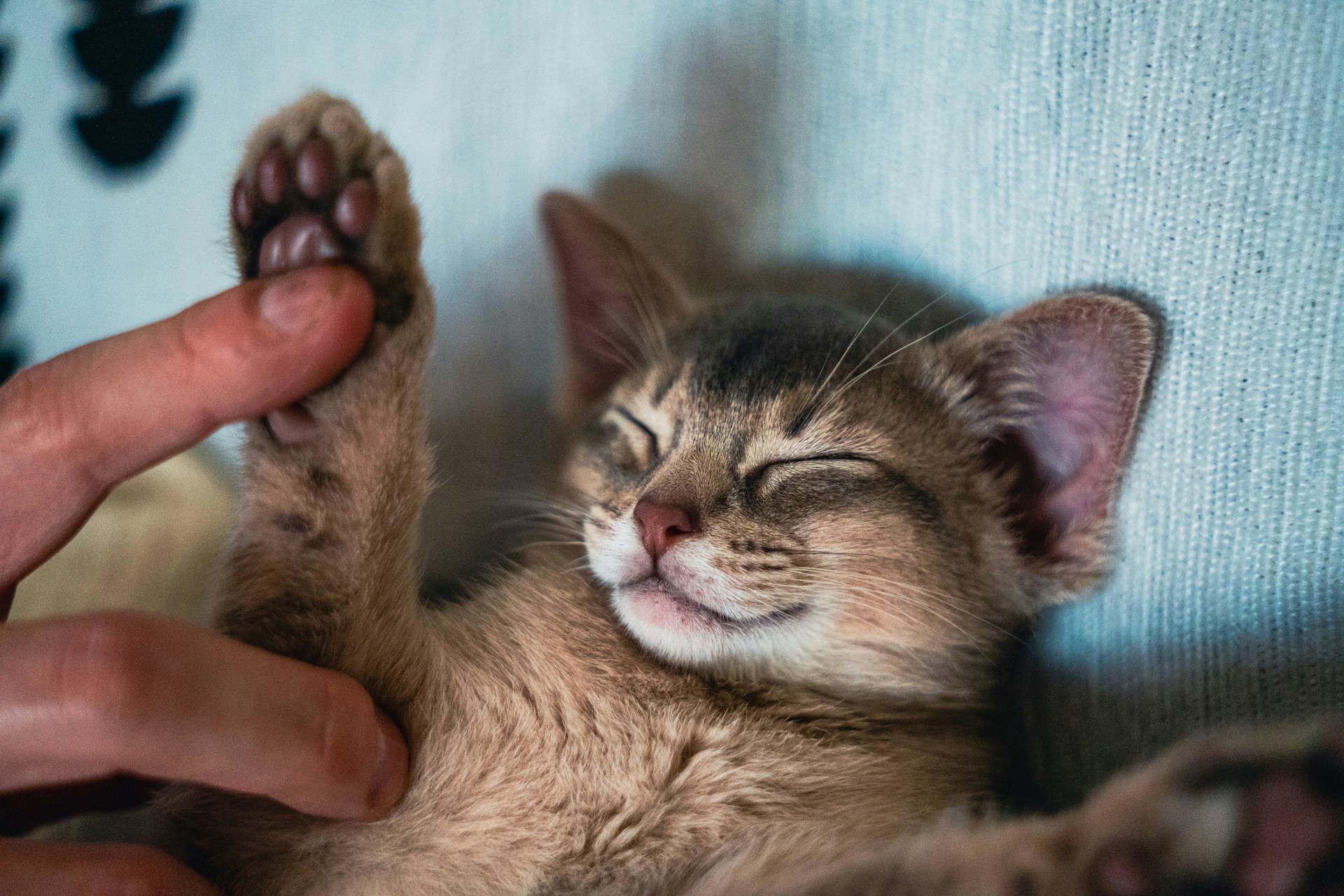
Kittens require more sleep than adults—sometimes up to 20 hours—because sleep supports their rapid growth and brain development. However, during waking hours, a healthy kitten should eat eagerly and play with bursts of energy.
Senior cats naturally slow down and may sleep longer as part of normal aging. Even so, any abrupt change in an older cat's sleep habits warrants a veterinary checkup to rule out age-related conditions.
Anxious cats often cope with stress by withdrawing and sleeping more. Common triggers include houseguests, a recent move, construction noise, or introducing a new pet. If hiding and oversleeping persist beyond a few days, consider ways to reduce environmental stressors.
FAQ
Frequently Asked Questions
Quick answers to the most common questions about this topic
1
How many hours do cats normally sleep?
Most adult cats sleep between 12 and 16 hours per day. Kittens and seniors often sleep even more—up to 20 hours in some cases.
2
Why does my cat sleep all day and stay active at night?
Cats are crepuscular, naturally wired to be most alert at dawn and dusk. This explains why your cat may nap through the afternoon but suddenly get energetic in the evening.
3
Is it normal for my indoor cat to sleep more than 16 hours?
Yes, indoor cats often sleep longer because they don't need to hunt or patrol territory. As long as your cat eats well, uses the litter box normally, and has alert periods, extra sleep is usually fine.
4
When should I worry about my cat sleeping too much?
Worry when excessive sleep is a sudden change from normal, or when it comes with appetite loss, hiding, vomiting, diarrhea, or litter box problems.
5
Do cats sleep more in winter?
Many cats do sleep more during colder, darker months. Shorter daylight hours and cooler temperatures naturally encourage more rest.
6
Why does my cat twitch or move while sleeping?
Twitching during sleep is normal and indicates your cat is in REM sleep, likely dreaming. Whisker movements, paw paddling, and small vocalizations are all common.
7
Should I wake my cat up if they sleep too long?
Generally no. Cats regulate their own sleep. Only intervene if your cat is missing meals, seems disoriented when awake, or shows other concerning symptoms.
8
Can depression cause a cat to sleep more?
Yes. Cats can experience something similar to depression after major changes—losing a companion, moving homes, or disrupted routines. Persistent lethargy, hiding, and reduced appetite alongside extra sleep may indicate your cat needs environmental enrichment or a vet visit.
Still have questions? We're here to help!
Sources
Sources & References
(4)
All information on CatsLib is backed by reputable sources. We regularly review and update our content to ensure accuracy.
Our editorial process: Every article is reviewed by veterinarians and feline behavior experts. We cross-reference multiple sources and update content regularly to maintain accuracy.
CatsLib Team
Editorial & Research Team
CatsLib content is written and reviewed by our editorial team. We focus on clear, practical guidance for cat owners and regularly update articles when recommendations change.
About our editorial process