
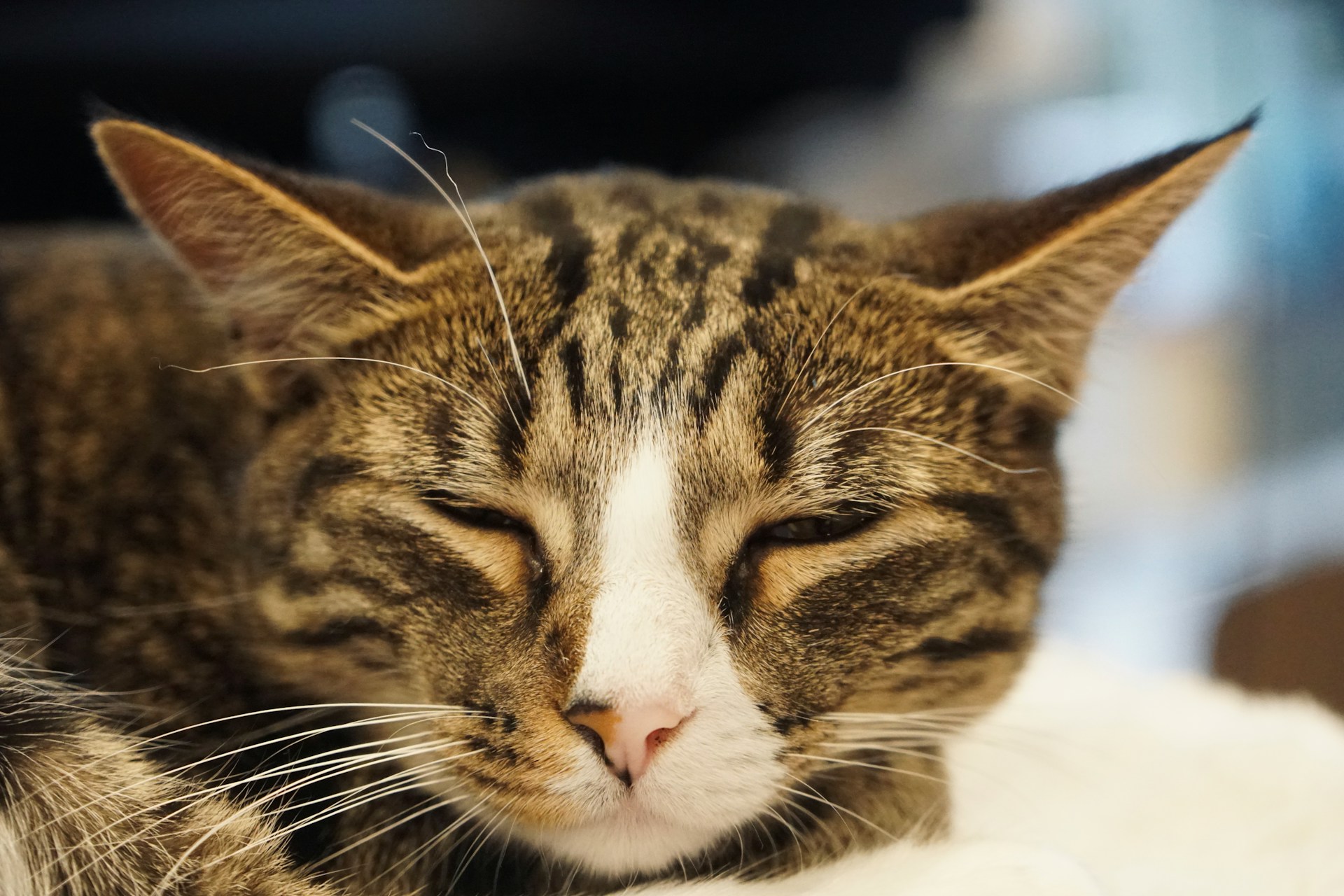
Why cats do this
You know that moment when your cat's eyes go wide, their butt wiggles, and then they're off like a rocket? That's a zoomie. Cats do this to burn off energy they've been saving up — kind of like when you've been sitting all day and just need to move.
The nighttime part makes sense when you think about it. Cats are built to hunt at dawn and dusk. That's when mice and birds are easiest to catch in the wild. Your cat doesn't have mice to chase, but their body still says 'go time!' when evening rolls around.
Indoor cats especially get the zoomies because they spend most of the day napping. All that rest means lots of energy with nowhere to go. So when their internal clock says it's hunting hour, they sprint through your hallway instead.
What you can do
The trick is to tire your cat out before bedtime. It really works — here's how to do it.
-
1Step 1: Set up a play session about an hour before you want to sleep. Wand toys work great. Let them chase, pounce, and 'catch' the toy a few times.
-
2Step 2: Right after playing, give them their main meal. This follows their natural pattern — hunt, eat, groom, sleep. A full belly after exercise makes cats sleepy.
-
3Step 3: During the day, give them things to do. A window perch, puzzle feeder, or even a cardboard box can help burn mental energy so they're not bouncing off walls at midnight.
-
4Step 4: Keep things calm before bed. Dim the lights, skip the roughhousing, and let your cat wind down with you.
What NOT to do
Here's the hard part — when your cat goes nuts at 3 AM, you have to ignore it. I know, I know. But if you get up to feed them, play with them, or even yell at them, they learn that zoomies = attention. And then you'll never sleep again.
Also, don't lock them in a tiny room as punishment. That just makes them frustrated and more likely to act out. The goal is to help them use their energy earlier, not to trap it.
When to call a vet
Most zoomies are totally fine. But there are a few situations where it's smart to check in with your vet.
- • Your cat is older (7+) and suddenly way more hyper than they used to be
- • They're losing weight even though they're eating plenty
- • The zoomies come with weird yowling or crying
- • They seem confused or run into things
- • They keep running to the litter box or biting at their backside
Kittens, seniors, and anxious cats
Kittens are zoomie machines — it's just what they do. They have tons of energy and zero chill. Most calm down somewhere between 1 and 2 years old. Until then, lots of play sessions are your best friend.
Senior cats usually slow down, so if your older cat suddenly starts acting like a kitten at night, that's worth a vet visit. Sometimes older cats get overactive when something's off with their thyroid or they're feeling confused.
Anxious cats sometimes zoom when they're stressed rather than just burning energy. If your cat is also hiding more, not eating well, or overgrooming, try to figure out what's bothering them. New pet? Loud construction? Moved the furniture? Cats are sensitive to changes.
FAQ
Frequently Asked Questions
Quick answers to the most common questions about this topic
1
Are cat zoomies normal?
Totally normal. It's just your cat's way of burning off energy. Most healthy cats get the zoomies pretty regularly.
2
Why does my cat go crazy at 3 AM?
Cats are naturally most active around dawn and dusk. 3 AM falls into that early morning window when their body says 'time to hunt!' — even if there's nothing to hunt.
3
How do I stop my cat from running around at night?
Play hard with them before bed, then feed their biggest meal. This wears them out and triggers their sleep mode. Also make sure they have stuff to do during the day.
4
Why does my cat get zoomies after pooping?
Nobody knows for sure, but it probably just feels good to go. Some cats get a little burst of energy or relief afterward. It's weird but harmless.
5
Do zoomies mean my cat is happy?
Usually, yes! Zoomies are often a sign of a healthy, energetic cat. If they look playful and relaxed afterward, they're probably just having fun.
6
At what age do cats stop getting zoomies?
They don't totally stop, but zoomies usually get less intense after age 2. Even older cats might still have the occasional sprint.
7
Can zoomies be a sign something's wrong?
Rarely. If an older cat suddenly gets super hyper, or if zoomies come with weight loss or strange behavior, check with your vet. But for most cats, zoomies are just zoomies.
8
Should I play with my cat during zoomies?
Better to let them finish their crazy lap and then offer play later. Jumping in during zoomies can wind them up even more.
Still have questions? We're here to help!
Sources
Sources & References
(3)
All information on CatsLib is backed by reputable sources. We regularly review and update our content to ensure accuracy.
Our editorial process: Every article is reviewed by veterinarians and feline behavior experts. We cross-reference multiple sources and update content regularly to maintain accuracy.
CatsLib Team
Editorial & Research Team
CatsLib content is written and reviewed by our editorial team. We focus on clear, practical guidance for cat owners and regularly update articles when recommendations change.
About our editorial process