
British Shorthair
Calm, plush, and quietly devoted
Quick answer: The British Shorthair is a sturdy, calm cat with a round face, plush coat, and an easy-going vibe.
Personality Traits
Quick Facts
Overview
The British Shorthair is the definition of a calm, solid, comfy house cat. They look like a little teddy bear and act like a polite roommate. They are sweet and loyal, but usually not clingy. If you want a relaxed cat with a big cozy vibe, this breed is hard to beat.
Personality & Temperament
Usually enjoys cuddles and being near people.
Enjoys play, especially with routine.
Great for a calmer home rhythm.
Learns routines fast; puzzle toys help a lot.
Personality in real life
British Shorthairs are gentle and easy-going. They usually like a peaceful home and a steady routine.
They can be affectionate, but many prefer sitting beside you rather than being a full-time lap cat.
They are often quiet. When they do meow, it is usually soft and to the point.
TICA notes they do not like being carried around much, and they prefer to be handled with support.
They can do well with kids and other pets when introductions are calm and respectful.
History
Long before cat shows and pedigrees, British Shorthairs were everyday working cats in Britain, living around homes, farms, and barns where they kept rodent populations under control.
Their calm temperament, strength, and easygoing nature made them pleasant to live with, and over time people began valuing them not just for work, but for companionship.
As interest in the breed grew, breeders started refining its appearance, favoring a sturdy body, a round face, and full cheeks.
This careful development led to the British Shorthair’s now-iconic look, including its dense, plush coat that feels more like a teddy bear than fur.
Appearance
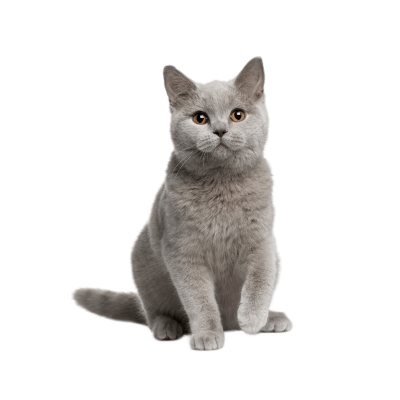
Round head, full cheeks, and large round eyes are part of the classic look.
The body is compact and powerful, with a broad chest and strong legs (as described in the CFA standard).
The coat is short but very dense and plush. It feels thick and springy when you pet it.
They are famous for the blue (grey) coat, but TICA notes they come in many colors and patterns.
Is a British Shorthair right for you?
Good fit if:
- • You want a calm, friendly cat that is easy to live with.
- • You prefer a cat that shows love in a quiet, steady way.
- • You want a plush coat without high-maintenance grooming.
- • You want a sturdy indoor companion that is not constantly bouncing off the walls.
Not ideal if:
- • You want a super active cat that plays for hours every day.
- • You want a cat that loves being carried around (many British Shorthairs do not).
- • You are hoping for a very clingy lap cat 24/7.
Daily life with a British Shorthair
Energy level
Low to moderate. They enjoy short play sessions, then go back to relaxing.
Noise level
Usually quiet. Not a constant talker.
Attention needs
Medium. They like being near you, but they are often fine doing their own thing.
Grooming
Brush once a week. During heavier shedding, a little extra brushing helps a lot.
Things to Know Before Adopting
- • They can gain weight if treats are too frequent, since they are not a super active breed.
- • Some do not enjoy being picked up. They prefer calm handling and good support.
- • The plush coat can shed more at certain times of year, so brushing helps keep it tidy.
- • They can be a bit reserved with strangers at first, then warm up once they feel safe.
Interesting Facts
TICA says the British Shorthair may have inspired the Cheshire Cat look from Alice in Wonderland.
Similar Cat Breeds
Chartreux
Both are calm, sturdy, and known for a plush, dense coat and a sweet expression.
Russian Blue
If you like the grey look and a quiet personality, many people compare these two.
Scottish Fold
Another round-faced, soft-looking breed often loved for a gentle, home-friendly vibe.
CatsLib Team
Editorial & Research Team
CatsLib content is written and reviewed by our editorial team. We focus on clear, practical guidance for cat owners and regularly update articles when recommendations change.
About our editorial process
Sources & References
(3)
All information on CatsLib is backed by reputable sources. We regularly review and update our content to ensure accuracy.
Our editorial process: Every article is reviewed by veterinarians and feline behavior experts. We cross-reference multiple sources and update content regularly to maintain accuracy.
Frequently Asked Questions
Quick answers to the most common questions about this topic
1
What is a British Shorthair cat?
The British Shorthair is a calm, sturdy cat with a round face and a dense, plush coat. They are known for an easy-going personality.
2
Are British Shorthair cats friendly?
Yes. They are usually gentle and people-friendly, but often in a quiet, low-key way.
3
Are British Shorthairs lap cats?
Some are, but many prefer sitting next to you rather than sitting on you. They like closeness, just not always constant cuddling.
4
Do British Shorthairs shed a lot?
They shed a moderate amount. The coat is very dense, so weekly brushing helps.
5
How big do British Shorthair cats get?
They are medium to large. TICA lists adult females around 8-11 lb and adult males around 10-16 lb.
6
How long do British Shorthairs live?
TICA lists a life expectancy of about 12-20 years, depending on background and life circumstances.
7
How much does a British Shorthair cost?
Prices vary by breeder and region. Purebred kittens usually cost more, so choose a reputable breeder and ask what is included.
Still have questions? We're here to help!